
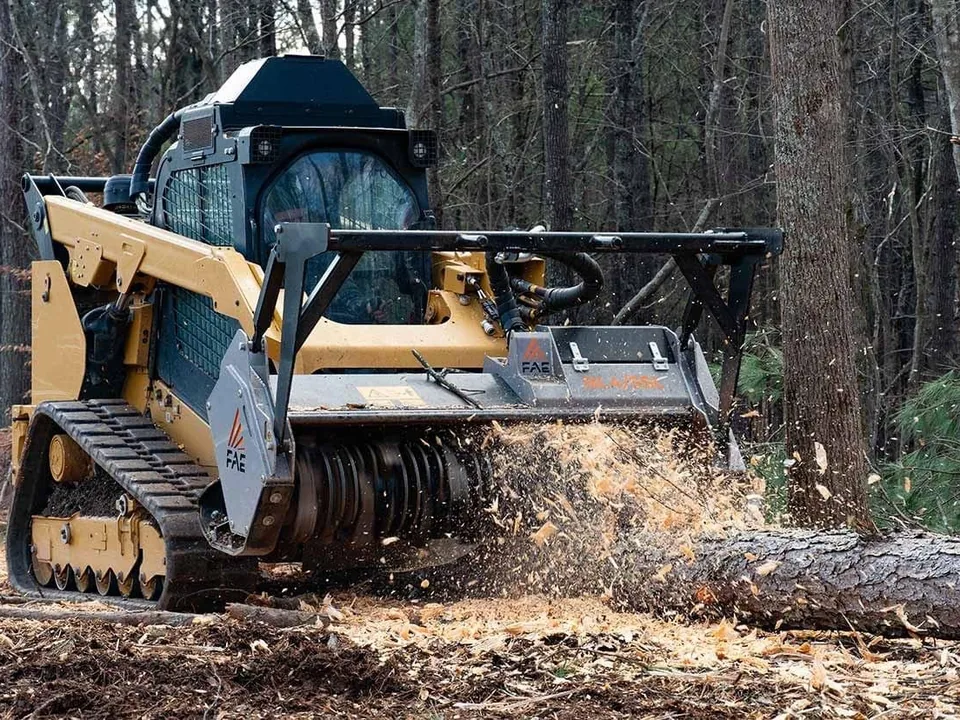
Forestry Mulching
A forestry mulcher grinds brush and small trees into mulch right where they grow. The mulch stays on the ground as cover for the soil.
Learn More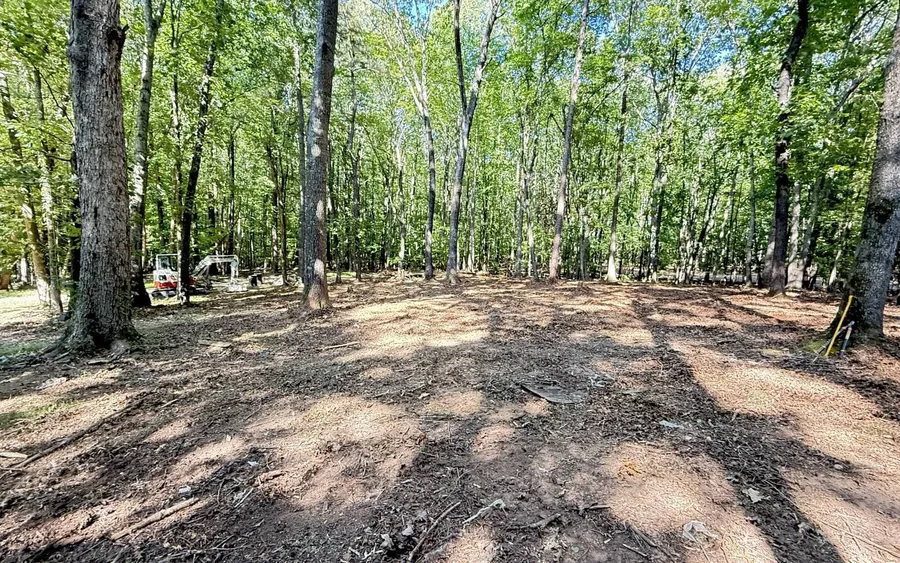
Fire mitigation clears the fuel a fire would use to reach your buildings. In the southern Missouri Ozarks, eastern red cedar and brush often grow right up to a house or cabin. When a grass fire runs through, that fuel can carry flames to the walls. We thin that growth back by machine and cut firebreaks across your land.
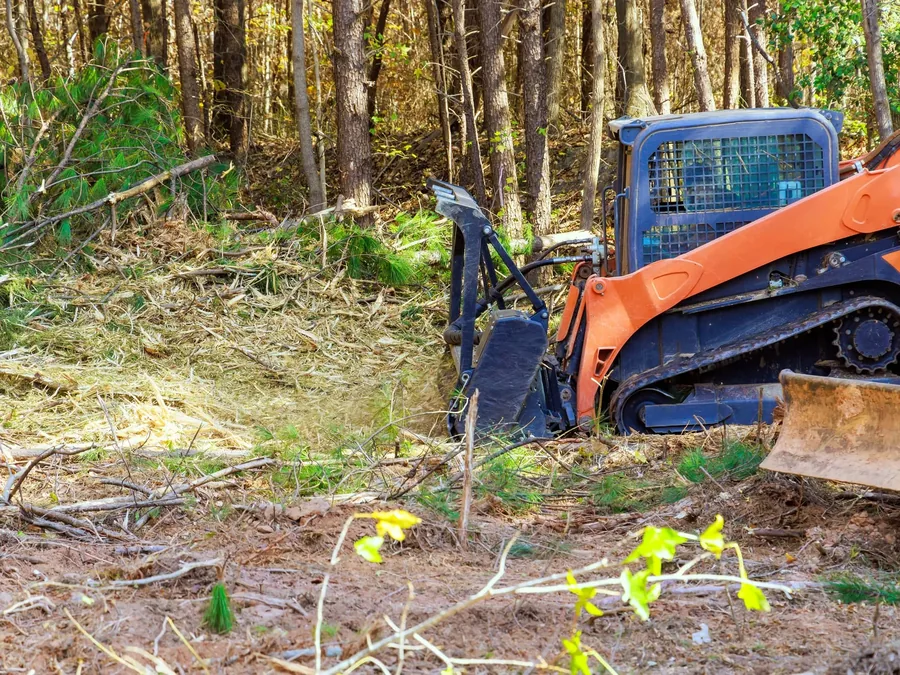
Fire mitigation jobs are run by Terra Firma Earth and Brush, our land clearing company. The thinning is done with a forestry mulcher on a skid steer, the machine behind our forestry mulching. Where a fire line has to reach bare dirt, a bulldozer cuts it. The work is one part of our land clearing across the Springfield area and the southern Missouri Ozarks.
Tell us about the job and where the land is. We look at it and put the quote in writing.
Defensible space is the ground around a house where the fuel has been thinned out. It slows a fire and gives firefighters room to work. Federal wildfire guidance calls for a fire-resistant zone at least 30 feet out from a home. The mulcher clears brush in that zone and out into the timber past it.
Ladder fuels are the brush and saplings under bigger trees. They let a ground fire climb up into the treetops. Cedars count here too: Missouri forestry guidance lists them among the flammable plants to clear from around a house. The forestry mulcher grinds the brush and cedars down and leaves the bigger oaks and hickories standing.
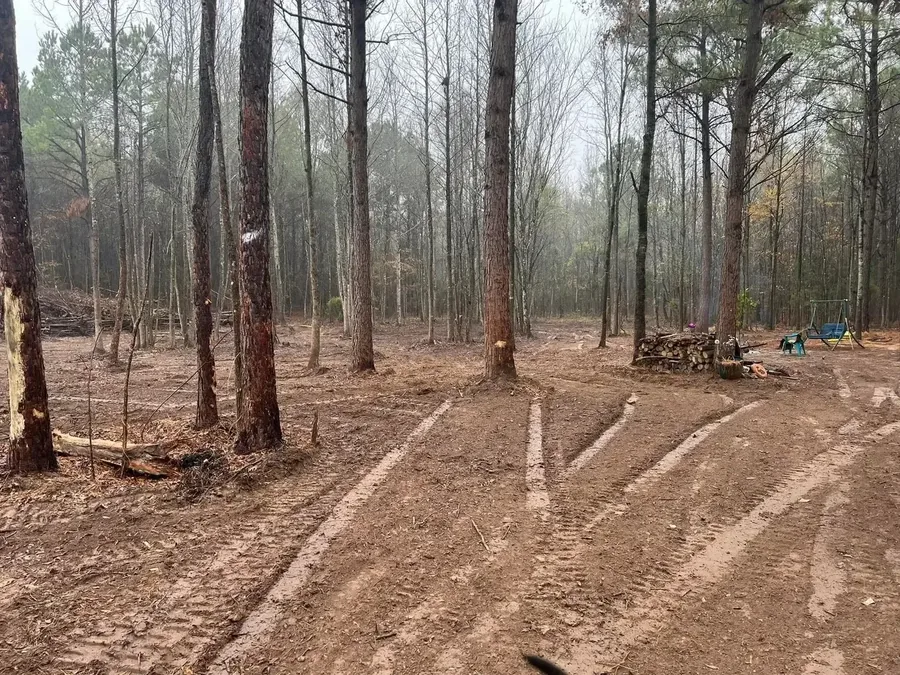
A firebreak is a strip of ground cleared of fuel to slow or stop a fire. Some firebreaks are mulched, and some are scraped down to bare dirt with the dozer. Bare dirt gives a fire almost no fuel. On steep Ozarks hillsides, a mulched strip keeps the soil covered where bare dirt could wash.
Firebreaks often run along fence rows or the edge where timber meets pasture. That work ties in with fence line clearing, and a cleared line can double as a lane. Around a home site in the timber, a firebreak can ring the cleared ground. Where cedars have crept into the field, pasture reclamation opens the ground back up.
Grass and sprouts come back on a firebreak each year, so the line needs upkeep. When it fills in, the mulcher can open it up again.
The Missouri Department of Conservation says wildfire can happen in any month. Fall and early spring carry higher risk, when dead grass and leaves lie on the ground as fuel. The department also warns that dry grass and wind can make a fire nearly impossible to control.
The department says nearly all Missouri wildfires are started by people. It names improper burning of trash and brush piles as the main cause, and we never burn. Work done ahead of fall and early spring is in place when the risk climbs.
Call or text for a written quote. We work about 80 miles around Drury across the southern Missouri Ozarks.
(417) 259-2785From the first call or text to the finished work, here is how it goes.
Call or text (417) 259-2785, or send the form. Tell us where the land is and what you want done.
We come out and look at the ground and the way in for the machines. You tell us what the land is for.
The quote comes in writing and spells out the work. You decide with it in hand.
On the day we set, the machines go to work. The job follows the written quote.
The job ends with open ground ready for what comes next. Where we dig, the site is graded and left clean.
Common questions about fire mitigation around Springfield and the southern Missouri Ozarks. If yours is not here, call or text and ask.
A forestry mulcher grinds brush and small trees into mulch right where they grow. The mulch stays on the ground as cover for the soil.
Learn More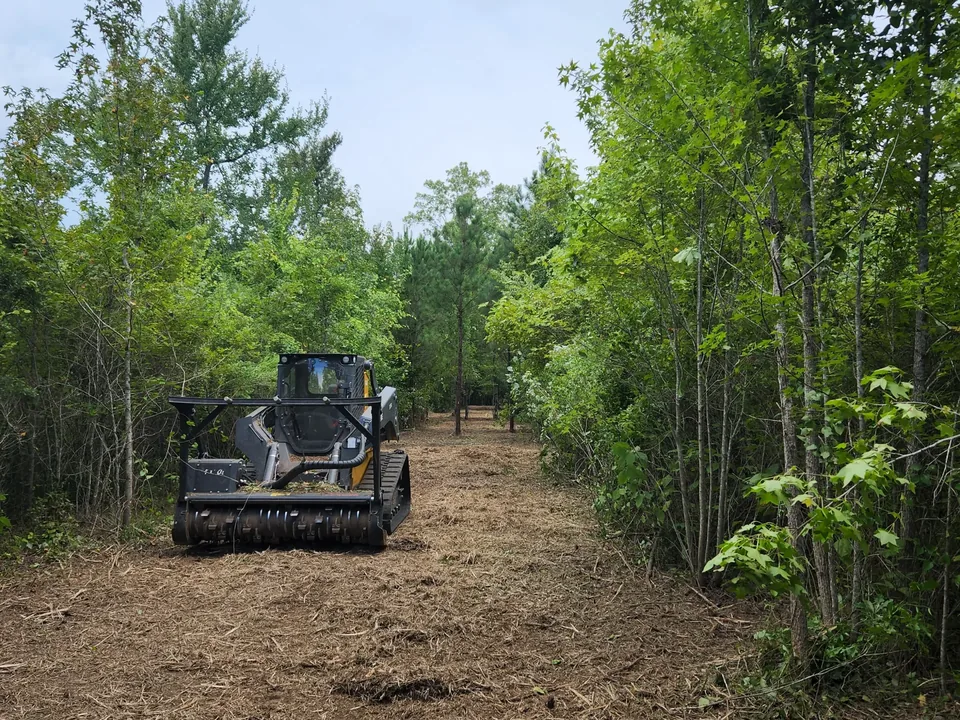
Fence rows and property lines cleared of cedars and brush, ground to mulch where they stand. Trails and access lanes opened through timber.
Learn More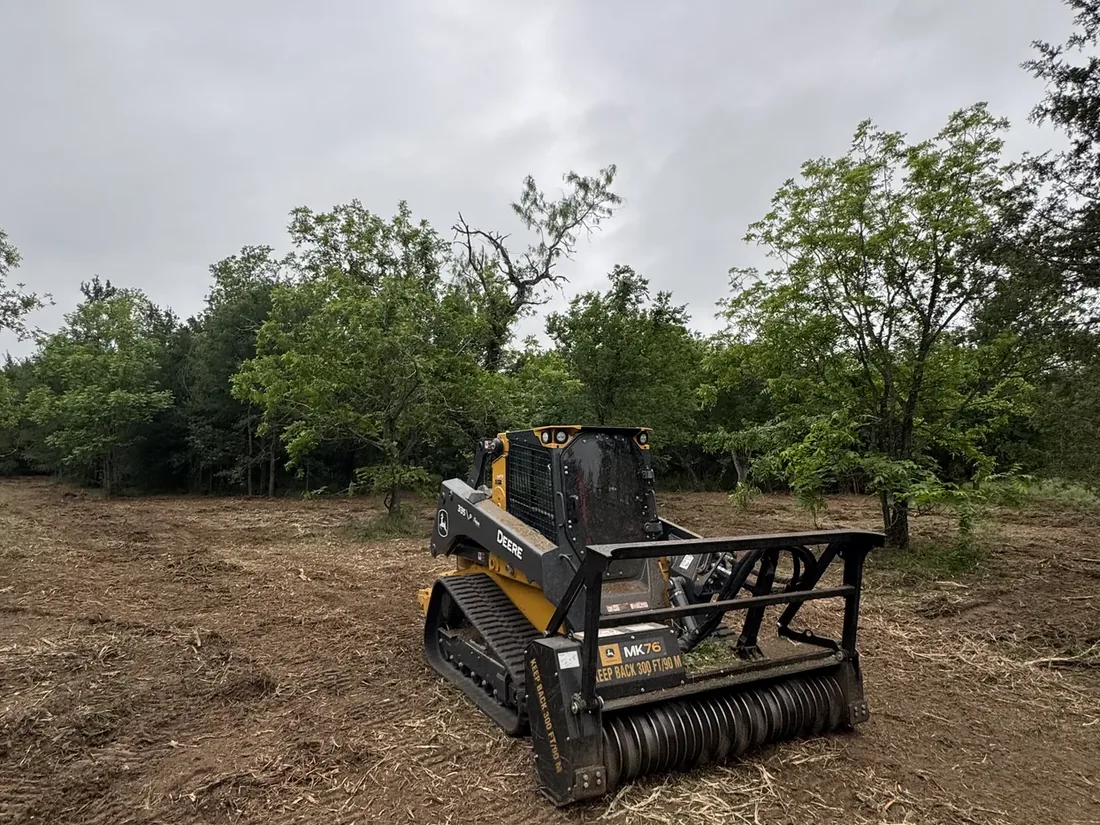
We clear the cedars and brush that creep in from the edges of pasture and hay ground. Your grass gets its sun back.
Learn MorePoint out the trees you want to keep, and we clear around them. The cedar and brush go, and your trees stay standing.
Erosion control and road stabilization is the trade this company grew out of. Slopes get erosion mats, and roads get shaped to shed water.
When the clearing is done, the excavation and concrete work can follow. You call or text the same number for both.
We look at the land before we price the job. The quote comes in writing, and the work starts when you approve it.
Call or text (417) 259-2785, or send the form, and tell us about the land or the job. We look at it first, and the quote comes in writing.
Tell us about the job and where the land is. We look at it and put the quote in writing.