
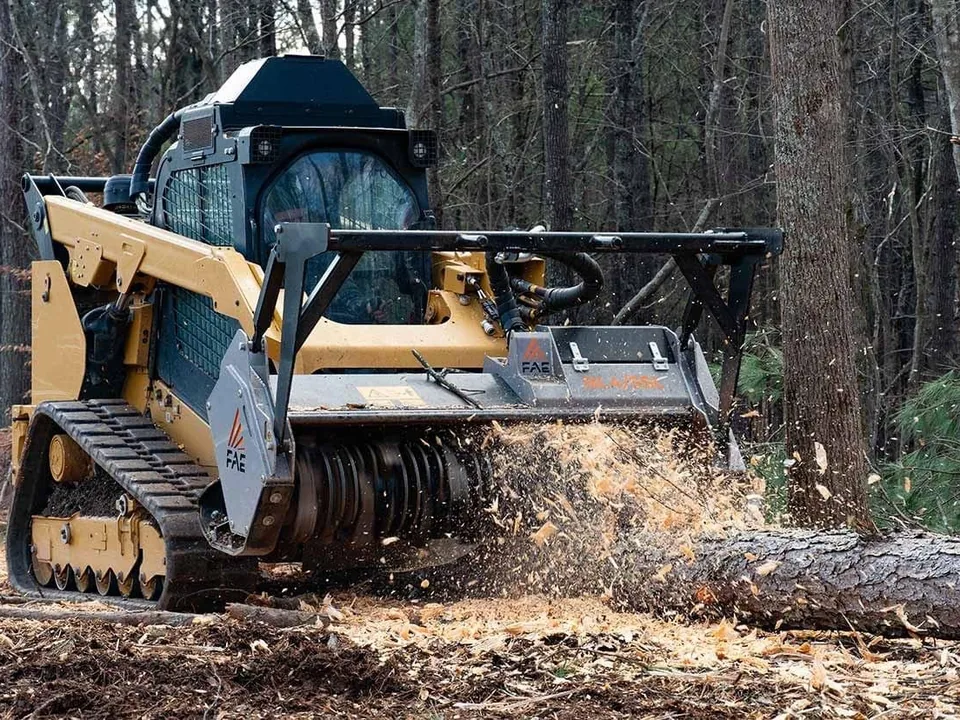
Forestry Mulching
A forestry mulcher grinds brush and small trees into mulch right where they grow. The mulch stays on the ground as cover for the soil.
Learn More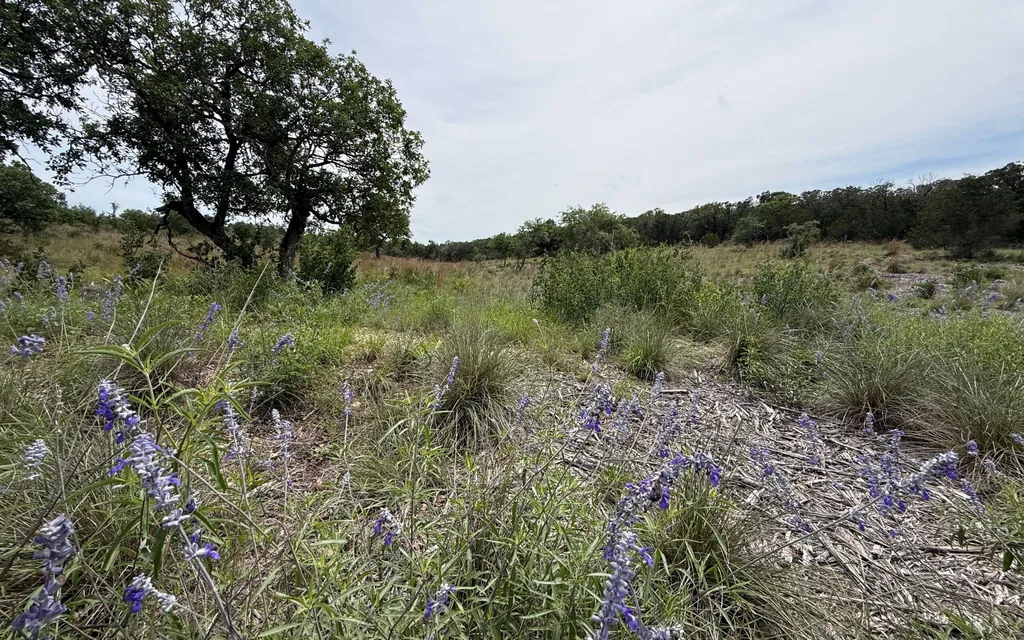
Pasture reclamation takes back grazing and hay ground that cedars and brush have crept over. Woods move in from the edges, and the open ground gets smaller over the years. Sprouts fill the gaps, and the grass thins out under the cedars. This is one part of our land clearing in the Springfield area and the southern Missouri Ozarks.
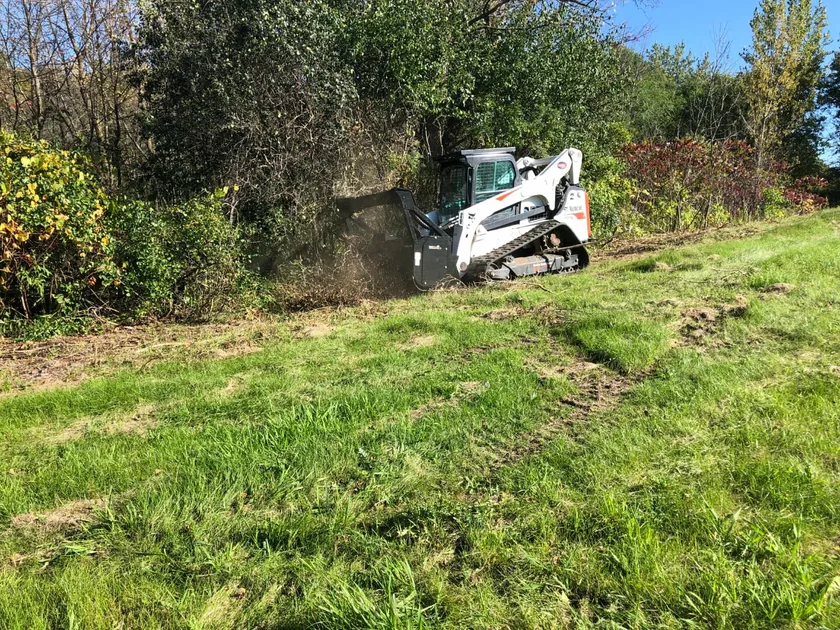
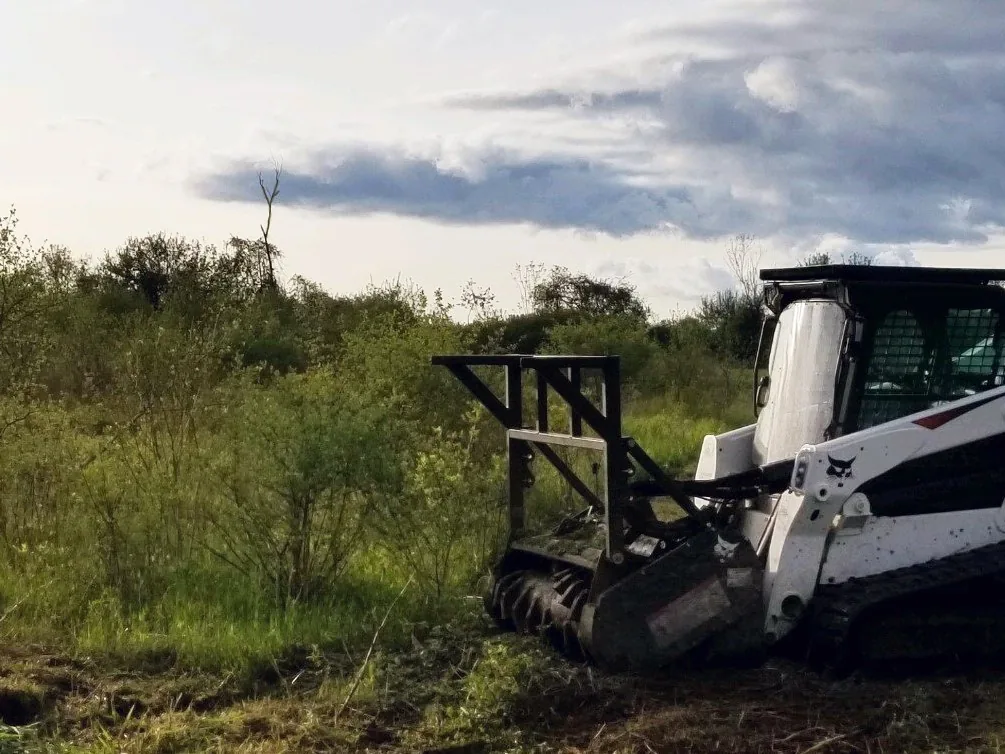
Pasture reclamation jobs are run by Terra Firma Earth and Brush, our land clearing company. The main tool is a forestry mulcher on a skid steer, the machine behind our forestry mulching work. It grinds cedars and brush into mulch that stays on the ground. Where stumps and roots have to come out, a bulldozer does that part.
Tell us about the job and where the land is. We look at it and put the quote in writing.
Eastern red cedar grows in pastures and old fields, the Missouri Department of Conservation notes. Birds eat the berries, and seeds that pass through a bird sprout at a higher rate.
Before settlement, cedar was uncommon in Missouri and grew mostly on bluffs and cliffs that fire could not reach. With fire held back and land use changed since then, cedar has become common.
On a farm, that spread costs grass. A University of Missouri Extension guide calls weeds and brush a serious problem in southwest Missouri pastures. Brush can cut both the amount and the quality of the forage. Blackberry thickets can keep cattle from grazing parts of a field.
In pasture clearing, the woods along the edges get cut back to where the field used to run. Cedar removal also covers the scattered trees out in the open ground. You decide where the new field line sits before the work starts.
Drury, in Douglas County, sits at the center of our service area. We take field clearing work about 80 miles around it, across the Springfield area and the southern Missouri Ozarks.
If the edge fence needs work, fence line clearing opens the row for the repair. A pasture that needs stock water may also have room for a new farm pond.
A cedar taller than three feet dies when cut below its lowest branch, the extension guide says. The mulcher takes cedars down to the ground, well below that branch. New cedars still come up from seed, so watch for seedlings each year.
Hardwood brush acts differently. Cut sumac or honey locust sends up sprouts, and the guide warns that mowing alone can make it worse. Plan on follow-up after the clearing, and the guide lists options and timing for common brush.
Grass is the long-term answer. The guide starts with a healthy stand of forage, kept thick by sound fertility and good grazing or haying. Goats help too, since they prefer brush over grass and pair well with cattle, a Lincoln University extension specialist notes.
Call or text for a written quote. We work about 80 miles around Drury across the southern Missouri Ozarks.
(417) 259-2785From the first call or text to the finished work, here is how it goes.
Call or text (417) 259-2785, or send the form. Tell us where the land is and what you want done.
We come out and look at the ground and the way in for the machines. You tell us what the land is for.
The quote comes in writing and spells out the work. You decide with it in hand.
On the day we set, the machines go to work. The job follows the written quote.
The job ends with open ground ready for what comes next. Where we dig, the site is graded and left clean.
Common questions about pasture reclamation around Springfield and the southern Missouri Ozarks. If yours is not here, call or text and ask.
A forestry mulcher grinds brush and small trees into mulch right where they grow. The mulch stays on the ground as cover for the soil.
Learn More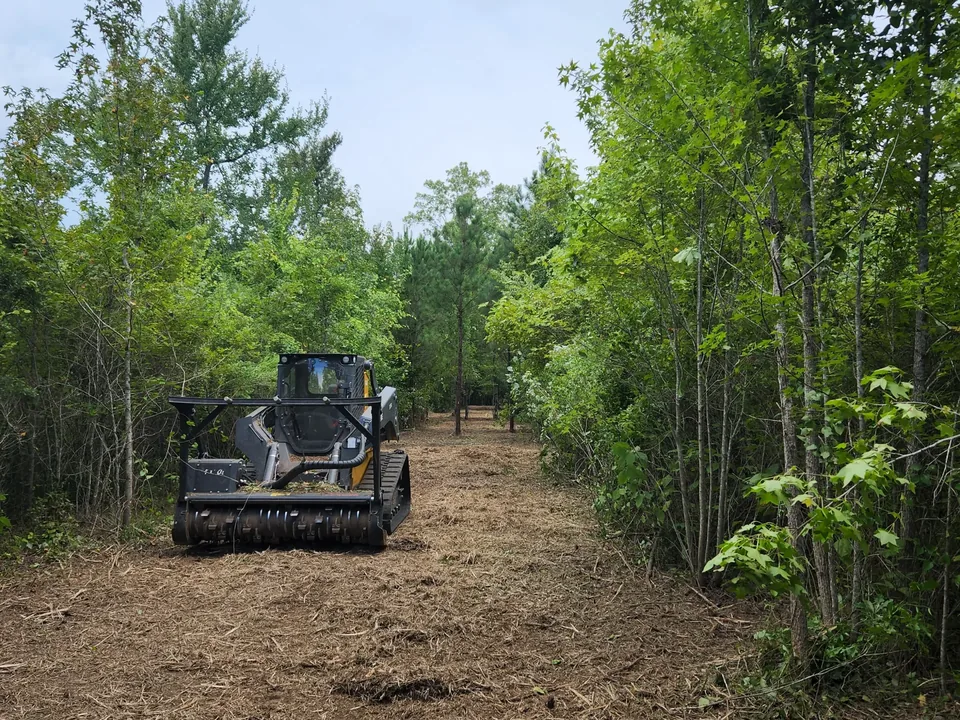
Fence rows and property lines cleared of cedars and brush, ground to mulch where they stand. Trails and access lanes opened through timber.
Learn More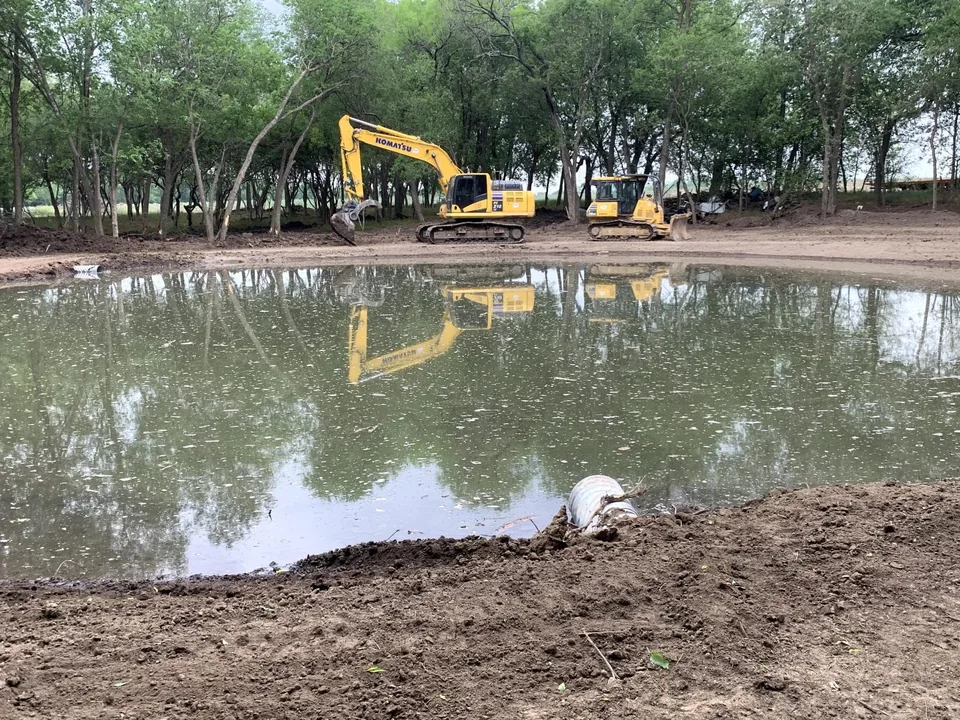
We build new farm ponds and their dams for stock water and recreation. We check the soil first, since good clay is what keeps water in a pond.
Learn MorePoint out the trees you want to keep, and we clear around them. The cedar and brush go, and your trees stay standing.
Erosion control and road stabilization is the trade this company grew out of. Slopes get erosion mats, and roads get shaped to shed water.
When the clearing is done, the excavation and concrete work can follow. You call or text the same number for both.
We look at the land before we price the job. The quote comes in writing, and the work starts when you approve it.
How to take a Missouri pasture back from eastern red cedar, per MDC and MU Extension. Plus the public cost-share programs a landowner can ask about.
Read more →
National cost guides put land clearing at $1,200 to $8,000 an acre. See Missouri hourly rates, forestry mulching prices and what moves the cost.
Read more →Call or text (417) 259-2785, or send the form, and tell us about the land or the job. We look at it first, and the quote comes in writing.
Tell us about the job and where the land is. We look at it and put the quote in writing.